
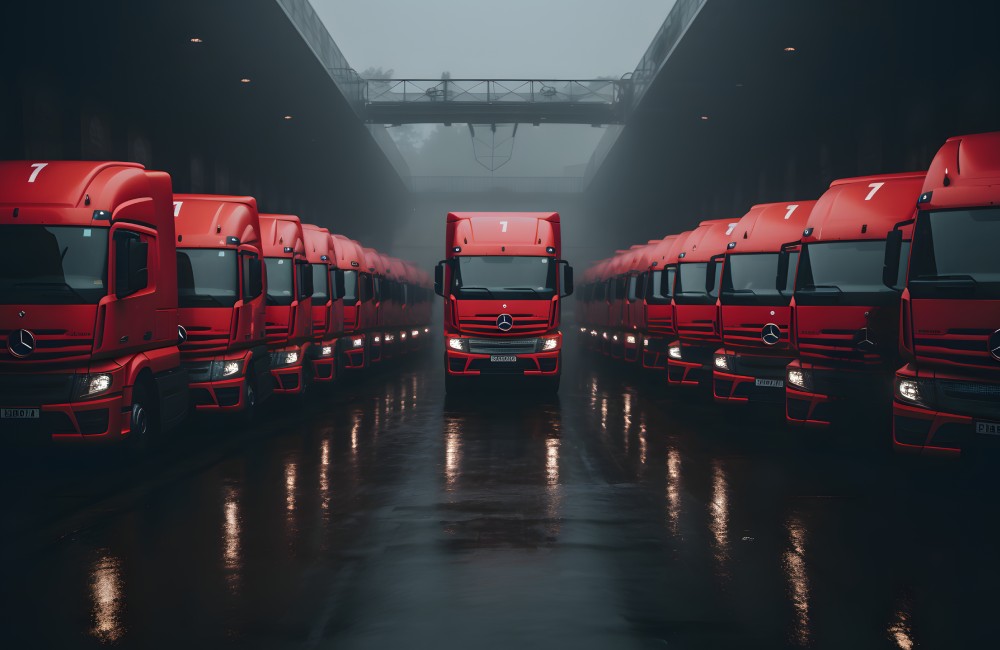
Why cargo protection is becoming essential for every transporter, courier, and logistics business
South Africa’s transport and logistics sector moves billions of rands worth of cargo every day. From FMCG and electronics to construction materials, fuel, agriculture inputs, medical supplies and industrial machinery — your cargo is constantly exposed to risks the moment it leaves the warehouse. And in 2026, those risks are only increasing. Hijacking syndicates are more organised, accident rates involving commercial vehicles remain high, road infrastructure challenges persist, and severe weather events are becoming more unpredictable. For transporters, courier companies, retailers, wholesalers, owner-drivers, and any business that moves goods, even a single load loss can destroy profitability — or break a business entirely. This is where Goods in Transit (GIT) Insurance becomes essential. When properly structured by a specialist broker like Cross-Cover Insurance Solutions, GIT cover acts as the financial shield between your business and a catastrophic cargo loss. This comprehensive guide, GIT Insurance in South Africa for 2026, explains what GIT insurance is, who needs it, the key types of cover available, and how South African businesses can optimise their risk strategy for 2026.
What is Goods in Transit (GIT) Insurance?
Goods in Transit (GIT) insurance covers loss or damage to cargo while it is being transported from one point to another. It applies whether goods are moved:
- By road
- By rail
- Between depots or branches
- For customers or as part of your own operations
- Locally or cross-border
- In your own vehicles or a contracted transporter
GIT insurance responds to insured risks such as:
- Theft
- Hijacking
- Collision or overturning
- Fire, explosion or natural perils
- Accidental damage during transit
- Load shifting or spillage (depending on wording)
In 2026, many businesses are making GIT insurance mandatory, especially those dealing with fragile, high-value, high-risk, temperature-controlled, or hazardous goods.
Who needs GIT Insurance in 2026?
If your business physically moves goods — even occasionally — GIT cover is essential. This includes:
Transport & Logistics Companies
- Long-haul trucking fleets
- Regional delivery fleets
- Courier services
- Owner-drivers
Manufacturers & Distributors
- Factories shipping to distributors or retailers
- Wholesalers moving stock across South Africa
- Distribution centres running scheduled deliveries
Retailers & E-commerce – GIT Insurance in South Africa for 2026
- Online shops delivering directly to customers
- Retail chains with inter-branch distribution
Agriculture & Farming
- Transportation of produce, livestock feed, equipment or chemicals
Construction & Mining
- Transporting machinery, equipment and materials
Specialised Transporters – GIT Insurance in South Africa for 2026
- Refrigerated & temperature-controlled freight
- Fuel, chemicals & hazardous materials
- Electronics and high-value goods
In short — if you move it, you need to cover it. Without GIT, the full loss becomes your responsibility, even if the driver is not at fault.
The 2026 Risk Landscape: Why GIT Insurance Matters More Than Ever
South Africa’s cargo risks are unique — and growing. The economy depends on road transport, and that means exposure to multiple threats every day.
1. Hijacking & Cargo Theft – GIT Insurance in South Africa for 2026
Cargo theft is at an all-time high. Syndicates target:
- Electronics
- Clothing
- Fuel
- FMCG
- Pharmaceuticals
- Food items
- Cigarettes
- Consumer goods
Loads are often stolen within minutes of a hijacking. Without GIT cover, your business carries the entire loss.
2. High Accident Rates
South African roads see thousands of commercial vehicle accidents annually. Cargo is often destroyed due to:
- Overturning
- Jack-knifing
- Fires after impact
- Load shifting
- Spills and contamination
Repairing or replacing the goods can be extremely costly.
3. Weather and Natural Events – GIT Insurance in South Africa for 2026
Increasing climate events bring higher exposure to:
- Flooding
- Hail
- Storm damage
- Heat damage for perishable goods
GIT cover can be tailored to include or exclude natural perils depending on needs.
4. Contractual & Compliance Pressure
Large retailers, warehouses, manufacturers and distributors now require:
- Proof of GIT cover
- Minimum limits
- Specified excesses
- Liability clauses
Without compliant GIT insurance, your business may lose contracts in 2026.
5. Cross-Border Operations – GIT Insurance in South Africa for 2026
Transporters moving into SADC territories face additional risks:
- Road conditions
- Border delays
- Theft hotspots
- Different legal environments
GIT policies can include territorial extensions for SADC if required.
Types of Goods in Transit Insurance
GIT cover is customised to the nature of goods, transport method and operational risk. The main categories include:
1. All-Risks GIT Cover
The broadest form of GIT protection.
Typically includes:
- Theft
- Hijack
- Collision
- Overturning
- Fire
- Natural perils
- Accidental damage
“All-risks” doesn’t cover everything automatically — but it provides the widest protection available.
2. Fire, Collision & Overturning (FCO) Cover – GIT Insurance in South Africa for 2026
A more affordable option for lower-risk loads.
Covers:
- Collision
- Overturning
- Fire
Does not cover theft or hijacking unless added separately.
3. Theft-Only Cover
Designed for low-damage but high-theft-risk products such as:
- Electronics
- Cellphones
- Small appliances
- Designer goods
May include hijack as an optional extension.
4. Temperature-Controlled / Refrigerated GIT Cover
Essential for:
- Frozen foods
- Medical supplies
- Meat and poultry
- Dairy
- Pharmaceuticals
Covers spoilage due to mechanical breakdown or temperature deviation.
5. Hazardous Goods GIT
For flammable, corrosive, toxic or dangerous goods.
Requires specialised vehicles, trained drivers and compliant documentation.
6. Cross-Border GIT
Extends coverage into SADC nations.
May include:
- Border delays
- Theft risks
- Documentation conditions
- Territorial limits
Key GIT Cover Extensions to Consider in 2026 – GIT Insurance in South Africa for 2026
To make sure your policy matches your operational needs, consider adding:
- Debris removal (post-accident clean-up)
- Deterioration of stock
- Container damage
- Stripping & re-loading costs
- Employer’s liability during loading/offloading
- Third-party liability for contaminated spills
- Overnight parking conditions tailored to your operation
- Replacement vehicle hire if required
Cross-Cover specialises in structuring these extensions based on your cargo type, route, clients and contractual obligations.
How GIT Insurance Works During a Claim
A well-structured GIT policy ensures fast and clean claims. Here’s what typically happens:
1. Incident Occurs
Accident, theft, hijack, overturning, fire or other insured event.
2. Immediate notifications
Most policies require immediate reporting to:
- SAPS
- Insurer
- Broker
- Recovery teams
3. Documentation & investigation
Key documents include:
- Waybill
- Invoice or proof of value
- Delivery notes
- Tracking logs
- Photos and incident reports
4. Assessment
The insurer evaluates the cause, value, damage and policy conditions.
5. Settlement
Approved claims are paid to either:
- The transporter
- The client
- Or both, depending on contractual agreements
Cross-Cover’s claims team guides clients through the full process, ensuring compliance and fast turnaround.
How GIT Premiums Are Calculated – GIT Insurance in South Africa for 2026
Insurers typically look at:
- Nature of goods
- Values per load
- Packaging method
- Theft/hijack exposure
- Type of transport (open, closed, refrigerated, tanker)
- Route risk profile
- Distance and frequency
- Driver experience and training
- Tracking and telematics
- Overnight parking conditions
- Loss ratio and previous claims
- Security and escort requirements
- Cross-border or local only
Investing in risk mitigation — tracking, cameras, vetted drivers, secure loading zones — often reduces premiums.
GIT Insurance for Owner-Drivers in 2026
Owner-drivers face a unique challenge: contractual obligations require them to carry full GIT insurance, yet margins are tight. Cross-Cover helps owner-drivers:
- Find the correct minimum limits
- Avoid over-insuring
- Structure affordable deductibles
- Provide proof of insurance for clients
- Submit claims effectively
A properly structured GIT policy can help owner-drivers stay compliant and competitive.
GIT + HCV: Why Both Are Needed
Many businesses mistakenly believe insuring the truck automatically covers the goods. It does not.
- HCV = the vehicle
- GIT = the cargo
Both are required to protect the full transport risk.
Combining both through Cross-Cover gives businesses a single point of contact and better contract alignment.
Practical Steps to Strengthen Your GIT Strategy for 2026 – GIT Insurance in South Africa for 2026
1. Audit your cargo risk
Identify high-value, fragile or theft-prone goods.
2. Align GIT limits to real values
Avoid under-insurance — especially on electronics, FMCG or fuel.
3. Review client contracts
Ensure your GIT policy meets minimum requirements.
4. Improve security controls
Tracking, cameras, seals, secure parking, panic buttons.
5. Update route risk profiles
Hotspot changes should reflect in your policy.
6. Train staff and drivers
Packaging, sealing, documentation, incident response.
7. Work with a specialist broker – GIT Insurance in South Africa for 2026
Avoid gaps, exclusions and incorrect wording.
Cross-Cover ensures your GIT programme is built around your exact operational realities.
Why Partner with Cross-Cover for GIT Insurance in 2026?
Cross-Cover Insurance Solutions is a specialist brokerage experienced in:
- Transport and logistics insurance
- Goods in Transit solutions
- Heavy Commercial Vehicle programmes
- Contractual compliance
- Risk assessments
- Claims assistance
- Tailored cover for unique and complex loads
They ensure your business complies with contract requirements, maintains strong underwriting results, and handles claims efficiently — protecting both your cargo and your reputation.
Conclusion: Make 2026 the Year Your Cargo is Properly Protected
Goods in Transit insurance is no longer a “nice to have”. In South Africa’s challenging environment, it is a critical pillar of operational risk management.
With Cross-Cover’s support, your business gains:
- Protection against catastrophic cargo losses
- Compliance with contractual obligations
- Correct limits for your risk exposure
- Expert guidance on claims
- Peace of mind for every load
Whether you run a fleet of heavy commercial vehicles, a courier company, a distribution operation, or you’re an owner-driver, GIT insurance helps ensure every trip in 2026 is financially secure.
FREQUENTLY ASKED QUESTIONS
It covers loss or damage to goods while being transported, including theft, hijacking, accidents, fire and other insured risks, depending on your policy.
Not legally, but most contracts with retailers, warehouses and distributors require it in 2026.
No. HCV covers the truck. GIT covers the cargo. Both are needed.
Yes, but only if these risks are specifically included. Not all basic policies cover theft.
Yes, if the policy includes SADC territorial extensions.
Electronics, cigarettes, fuel, pharmaceuticals, alcohol, and designer goods.
Yes, temperature-controlled cargo requires specialised deterioration or spoilage cover.
Yes, policies can be tailored to meet contractual requirements without over-insuring.
Route risk, load type, security measures, values per load, vehicle type and claims history.
By structuring a tailored GIT programme, ensuring compliance, reducing exposure, and assisting with claims.