
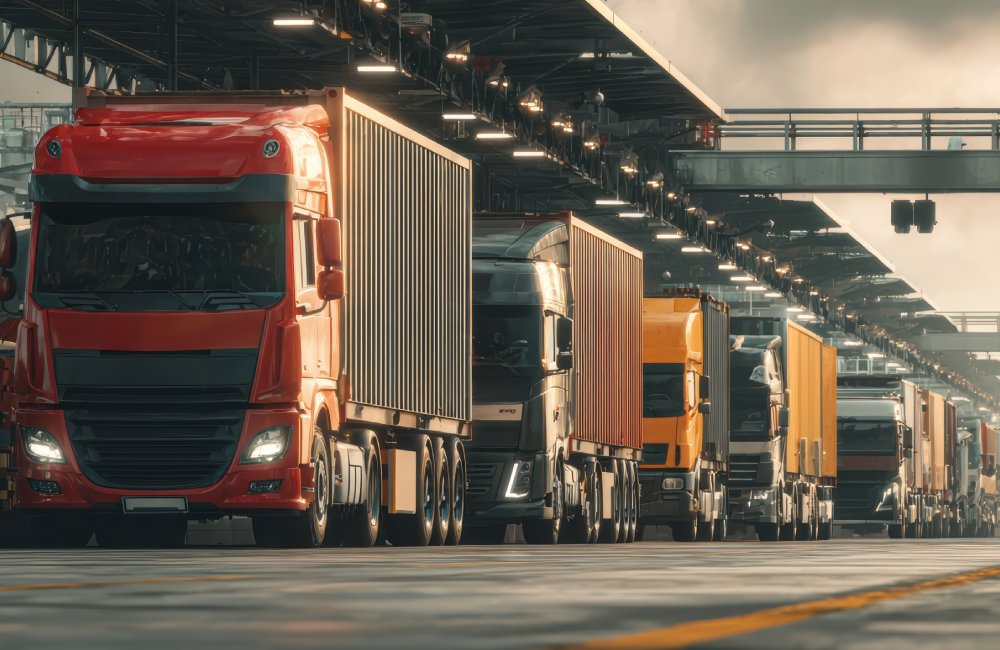
For businesses that rely on transporting goods, every delivery carries a degree of risk. Whether goods are moved locally, across provinces, or throughout the broader supply chain, cargo can be exposed to theft, accidents, damage, or unexpected disruptions. In South Africa, where logistics and transportation play a vital role in the economy, these risks are particularly significant. Businesses involved in manufacturing, distribution, retail, and logistics frequently move valuable goods across long distances and busy transport routes. Without the right protection in place, a single incident can result in costly losses and operational disruptions. This is where Goods in Transit Insurance becomes essential. This specialised insurance cover protects businesses financially if goods are lost, damaged, or stolen while being transported.
From courier companies and logistics providers to wholesalers and retailers, goods in transit insurance helps ensure that businesses can continue operating even when unexpected events occur during transportation.
In this guide, we explore how goods in transit insurance works, why businesses in South Africa need it, and how the right insurance solution can protect both cargo and business operations.
Understanding Goods in Transit Insurance
Goods in Transit Insurance is a specialised insurance policy designed to protect cargo while it is being transported from one location to another.
Unlike standard vehicle insurance, which focuses on the vehicle itself, goods in transit insurance protects the cargo being transported.
This type of insurance typically covers goods during transportation by:
- Road freight
- Courier services
- Logistics distribution vehicles
- Rail transport
- Air cargo
- Maritime shipping (in some cases)
Coverage generally applies from the moment goods leave the original premises until they reach their final destination.
Common risks covered by goods in transit insurance include:
- Theft or hijacking
- Vehicle accidents
- Fire damage
- Damage during loading or unloading
- Loss during transport
- Natural disasters affecting cargo
Because cargo often represents high financial value, having appropriate insurance protection is crucial for businesses involved in supply chain operations.
Why Goods in Transit Insurance Matters for Businesses
Businesses rely heavily on the safe movement of goods to maintain their operations and customer commitments. Any interruption in the supply chain can lead to lost revenue, unhappy customers, and reputational damage.
Goods in transit insurance helps protect businesses against several real-world risks.
Cargo Theft
Cargo theft remains a serious concern in South Africa, particularly along major freight routes and logistics corridors.
Transport Accidents
Road accidents involving freight vehicles can damage or destroy transported goods.
Handling Damage
Goods can be damaged during loading, unloading, or transfer between vehicles.
Supply Chain Disruptions
Lost or damaged goods can delay deliveries and disrupt entire supply chains.
Client Liability
Transport companies moving goods on behalf of clients may be liable for damages if cargo is lost or damaged during transit.
Without the protection of Goods in Transit Insurance, businesses may be forced to absorb these losses themselves.
Key Challenges Businesses Face When Transporting Goods
Transporting goods across South Africa involves a variety of operational challenges that increase risk exposure.
Some of the most common challenges include:
Long-Distance Transport
Goods often travel hundreds or thousands of kilometres between warehouses, ports, and distribution centres.
Security Risks
Certain transport routes are known for cargo theft or hijacking incidents.
High-Value Cargo
Products such as electronics, pharmaceuticals, machinery, and consumer goods represent significant financial value.
Third-Party Logistics Providers
Businesses that rely on external transport companies may still face liability if goods are lost or damaged.
Environmental Conditions
Weather conditions, road conditions, and unexpected delays can increase the risk of cargo damage.
These challenges make risk management and proper insurance protection essential for modern businesses.
Solutions and Best Practices for Managing Transit Risk
While insurance plays a crucial role in protecting cargo, businesses can also implement operational strategies to reduce risk during transportation.
Effective risk management practices include:
GPS Vehicle Tracking
Fleet tracking technology allows businesses to monitor vehicle locations and reduce the risk of theft.
Secure Loading Procedures
Proper loading techniques help prevent cargo damage while vehicles are in motion.
Route Risk Assessment
Planning transport routes carefully can reduce exposure to high-risk areas.
Driver Safety Training
Experienced drivers are less likely to be involved in accidents or handling incidents.
Cargo Documentation
Accurate documentation ensures accountability at every stage of the supply chain.
When these strategies are combined with comprehensive goods in transit insurance, businesses can significantly reduce financial exposure.
How Professional Insurance Services Help
Choosing the right insurance solution requires an understanding of both insurance structures and logistics risks.
Professional insurance specialists help businesses identify the level of coverage needed based on factors such as:
- Type of goods transported
- Value of cargo
- Frequency of shipments
- Transport routes
- Fleet size
- Security measures in place
Cross-Cover Insurance Solutions specialises in providing insurance solutions for businesses involved in transport, logistics, and distribution.
Their team works closely with clients to develop insurance cover tailored to their operational needs.
This ensures that businesses receive protection against real-world transport risks while maintaining cost-effective insurance solutions.
Key Benefits of Goods in Transit Insurance
Businesses that invest in goods in transit insurance gain several important advantages.
Financial Protection
Insurance protects businesses against financial losses caused by damaged or stolen cargo.
Business Continuity
Operations can continue even if goods are lost during transportation.
Increased Client Trust
Clients are more confident working with logistics providers that carry proper insurance coverage.
Supply Chain Stability
Insurance helps minimise disruptions caused by cargo loss or damage.
Reduced Liability Exposure
Businesses are protected from claims related to cargo damage during transportation.
Industry Trends in Transport and Logistics Insurance
The logistics industry continues to evolve as technology improves supply chain visibility and risk management.
Several trends are shaping the future of Goods in Transit Insurance in South Africa.
Smart Fleet Technology
Modern fleets use telematics systems to monitor vehicle performance and driver behaviour.
Advanced Cargo Monitoring
Sensors and tracking devices help monitor cargo conditions during transit.
Data-Based Risk Analysis
Insurance providers increasingly use data analytics to evaluate risk levels.
Integrated Risk Management
Insurance is becoming part of broader risk management strategies for logistics operations.
As logistics operations become more complex, insurance solutions continue to evolve to provide stronger protection for businesses.
Frequently Asked Questions
Goods in Transit Insurance protects cargo against loss, damage, or theft while it is being transported from one location to another. It provides financial protection for businesses that move goods through road freight, courier services, or logistics networks.
Any business that transports goods should consider this insurance. This includes transport companies, courier services, wholesalers, retailers, manufacturers, and logistics providers.
Coverage usually includes risks such as theft, hijacking, vehicle accidents, fire, and damage during loading or unloading.
While not always legally required, it is strongly recommended for businesses transporting valuable cargo to protect against financial losses.
Cargo is typically insured based on the invoice value, replacement cost, or declared market value of the goods being transported.
Conclusion
In modern supply chains, the movement of goods is essential to business operations. However, transporting goods always involves risk. Accidents, theft, cargo damage, and unexpected disruptions can occur at any stage of the transport process.
For businesses involved in logistics, distribution, manufacturing, and retail, these risks can lead to significant financial losses if proper protection is not in place.
Goods in Transit Insurance provides the financial safety net businesses need when transporting goods. By ensuring that cargo is protected during transit, companies can safeguard their revenue, maintain operational stability, and protect their reputation with clients.
Choosing the right insurance partner ensures that coverage is tailored to the specific risks associated with each business operation.
If your business transports goods and you want to ensure they are properly protected, the team at Cross-Cover Insurance Solutions can help.
Their specialists understand the risks involved in logistics and transport and can provide tailored Goods in Transit Insurance solutions designed to protect your cargo and your business.
Contact Cross-Cover Insurance Solutions today to discuss the right insurance cover for your operations.