
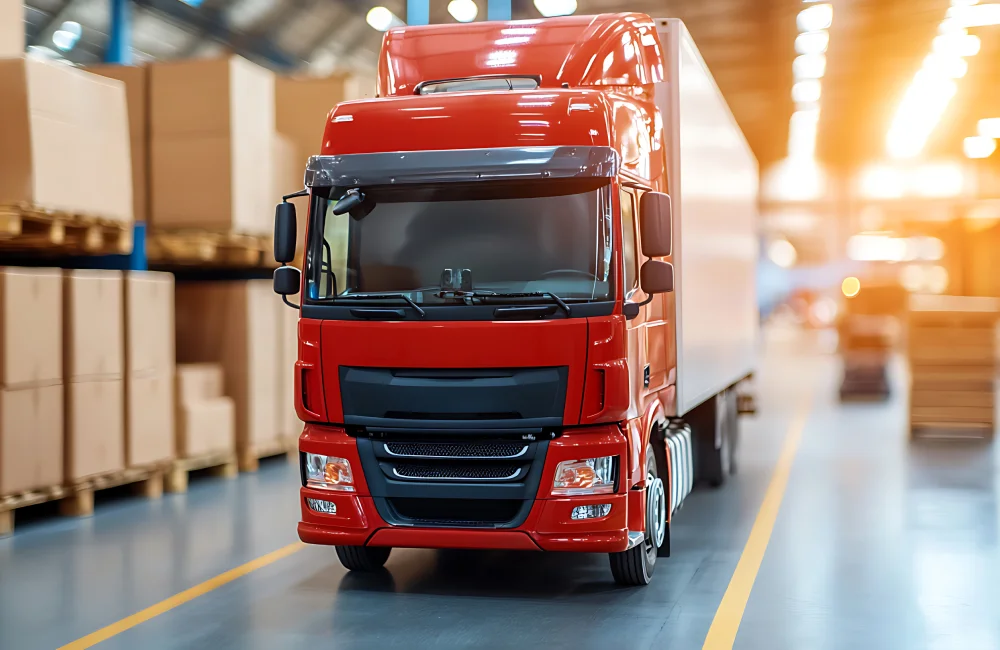
If your business moves cargo for a living — or even occasionally — you operate in one of the highest-risk environments in South African logistics. Hijackings on the N3 and N1 corridors continue to climb. Cargo theft syndicates have become more organised and more violent. Severe weather routinely disrupts road freight across KwaZulu-Natal, Mpumalanga and the Eastern Cape. And every loading dock, warehouse handover and cross-border crossing introduces another point at which something can go wrong. That’s why goods in transit insurance South Africa has stopped being a tick-box compliance exercise and become one of the most important commercial covers a transport operator can buy. At Goods In Transit Insurance — a specialist division of Cross Cover Insurance Solutions — we structure cover specifically for the realities of moving freight in this country. This guide walks you through what goods in transit insurance actually covers in 2026, who needs it, the extensions that matter, and how to choose a policy that won’t let you down at claim stage.
What Is Goods in Transit Insurance?
Goods in transit insurance — often shortened to GIT insurance — protects cargo against loss or damage while it’s being transported by road, rail, air or sea. The cover responds to incidents that occur from the moment goods are loaded onto a vehicle until they’re delivered and offloaded at their destination, including any intermediate storage along the way.
A standard South African goods in transit cover policy typically responds to:
- Theft and hijacking
- Accidental damage during loading and unloading
- Vehicle accidents, collisions and overturning
- Fire, explosion and lightning
- Storm, hail, flood and other natural disasters
- Damage caused by collision of the load itself
The policy can be issued to the carrier (the transport operator), to the cargo owner, or to a transport broker who arranges movement through subcontractors. Each of these has different exposures, and the right structure depends entirely on where you sit in the supply chain.
Why Goods in Transit Cover Matters in 2026
Three structural realities make GIT cover non-negotiable for any serious South African logistics operator this year.
Cargo theft is rising. Truck hijackings along key freight corridors — the N3 between Durban and Johannesburg, the N1 north of Polokwane, and the N4 toward the Mozambique border — have continued an upward trend. Organised syndicates target high-value loads such as electronics, pharmaceuticals, alcohol, copper, fuel and FMCG goods. A single loaded trailer can represent millions of rand in exposure.
Accident frequency is high. South Africa’s road environment is unforgiving. Driver fatigue, poorly maintained roads, weather events and the sheer volume of long-haul freight mean accidents are statistically common. Even a minor incident with a fully loaded reefer can result in a six- or seven-figure claim once spoiled stock, recovery costs and clean-up are added together.
Cross-border trade is expanding. Operators moving goods into SADC markets — Zimbabwe, Botswana, Namibia, Zambia, Mozambique and beyond — face additional risks from border delays, regional unrest and varied road conditions. Cross border goods in transit cover is no longer an optional extra for these routes. It’s a core requirement.
When you combine these pressures with rising vehicle, fuel and replacement stock costs, the financial case for proper GIT cover becomes overwhelming. The question isn’t whether to insure your loads — it’s how to structure cover correctly.
Who Needs Goods in Transit Insurance in South Africa?
GIT cover is relevant across the entire South African logistics ecosystem, but the structure changes depending on your role.
Transport contractors and trucking companies carry the goods of paying clients and are usually held liable for loss or damage that happens on their watch. They need all risks goods in transit cover or carrier liability cover that responds to claims from cargo owners.
Owner-drivers and small fleets face the same exposures as larger operators but often without the negotiating power of a big company. A single uninsured incident can end an owner-operator’s business overnight. Affordable, properly structured goods in transit insurance for trucks is essential.
Couriers and last-mile delivery operators move smaller, higher-frequency consignments — often electronics, parcels or e-commerce orders — and need cover that responds to high-volume, lower-value claims.
Transport brokers and freight forwarders arrange movement through subcontractors but can still be held liable when a subcontractor’s own cover proves inadequate. Contingent goods in transit cover protects against exactly this shortfall.
Cargo owners — manufacturers, wholesalers, importers and exporters — sometimes prefer to insure their own goods rather than rely on a carrier’s liability cover. Owner-of-goods cover gives them direct control of the claim process.
Hazardous goods transporters — fuel haulers, chemical carriers, pollutants — need specialist hazardous goods insurance with environmental liability and spillage clean-up included.
Fleet operators bundling vehicle and cargo cover often achieve better pricing and simpler claims handling by combining GIT with their commercial vehicle policy.
If you fall into any of these categories, GIT cover should already be on your balance sheet — and if it isn’t, you’re carrying risk your business probably can’t absorb.
Core Cover Types Explained
Not all goods in transit policies are built the same. Understanding the structure helps you ask better questions when you’re getting quotes.
All Risks Goods in Transit
The broadest form of cover. All risks goods in transit insurance responds to loss or damage from any cause that isn’t specifically excluded in the policy wording. This is the standard structure for transport operators who want comprehensive protection rather than picking individual perils.
Restricted Perils Cover
A narrower, lower-cost alternative that responds only to named perils such as fire, collision, theft following forced entry, and overturning. Useful for low-risk operators or budget-constrained businesses, but read the exclusions carefully.
Carrier Liability Cover
Designed for transport contractors who are legally liable for the goods they carry. The policy responds to third-party claims from cargo owners following loss or damage. Often combined with all-risks cover for full protection.
Contingent Liability Cover
Protects transport brokers, freight forwarders and cargo owners against the risk that a subcontractor’s GIT cover is insufficient or invalid. Contingent goods in transit cover is one of the most under-used policies in the South African market — and one of the most valuable when something goes wrong with a subcontracted load.
Owner of Goods Cover
For businesses that transport their own goods in their own vehicles, or that prefer to insure cargo regardless of who’s carrying it. Particularly common for manufacturers and distributors with in-house fleets.
Cash in Transit Cover
A related but distinct product covering cash and high-value negotiable instruments while in transit. Typically required by retailers, security companies and businesses making regular bank deposits.
Extensions That Matter in South Africa
The base policy is only half the story. The right extensions transform GIT cover from a generic product into something that actually fits your operation.
Driver fidelity cover. Theft by a driver — or collusion with hijackers — is a real risk in South African long-haul transport. Driver fidelity insurance responds when the loss is caused by employee dishonesty rather than a third-party criminal.
Cross border cover. Extends the policy beyond South African borders into the SADC region. Essential for any operator running into Zimbabwe, Botswana, Mozambique, Namibia, Zambia, Malawi, eSwatini, Lesotho or further north into the DRC.
Riot and strike cover. Covers loss or damage caused by service delivery protests, civil unrest, riots and strikes — risks that have become tragically common on South African freight routes. Often arranged through Sasria as a parallel policy.
Refrigeration breakdown and incorrect temperature settings. Critical for reefer operators carrying perishable food, pharmaceuticals or vaccines. Without this extension, a single mechanical failure can cost you the entire load.
Debris removal and spillage clean-up. Following an accident, the cost of clearing the scene, recovering wreckage and cleaning up spilled cargo can rival the value of the load itself. This extension responds to those costs.
Pollution and environmental liability. Mandatory consideration for fuel and chemical haulers. Spillages can trigger huge environmental remediation bills and regulatory action.
Tarpaulin, container and load equipment cover. Protects the kit you use to move and secure cargo, including tarpaulins, nets, chains and 6 m or 12 m shipping containers.
Excess buy-back. Reduces or eliminates the policy excess on certain claims, useful for operators who can’t afford a large excess at claim stage.
Loss prevention and mitigation costs. Pays for security guards, alternative transport, salvage operations or relocation of goods following an incident — even where there’s no actual damage to the cargo itself.
Intermediate storage. Allows goods to be temporarily stored during transit (typically up to 72 or 96 hours) without breaking cover. Important for multi-leg journeys and transhipment operations.
Local Risk Realities Across South Africa
GIT exposure is not evenly distributed across the country. A good broker will price and structure cover based on where you actually operate.
The N3 corridor between Durban and Johannesburg remains the highest-risk freight route in the country. High traffic volumes, mountainous sections and persistent hijacking activity mean any operator on this route should have premium-grade cover with full driver fidelity and tracking compliance.
KwaZulu-Natal carries the additional weather risk of summer storms, flooding and the occasional cyclone, all of which can impact road freight. Operators based at the Durban port also need to think carefully about cover during stevedoring and intermediate storage.
Gauteng is the country’s logistics nerve centre, with high warehousing density, frequent loading and offloading, and elevated theft risk in industrial areas around OR Tambo, City Deep and the West Rand.
Western Cape operators face long-haul exposure on the N1 and N2 plus winter storm risk, particularly for produce and wine being moved to port.
Cross-border operators running into Beitbridge, Lebombo, Kopfontein and Skilpadshek face the additional risks of border delays, varied road quality and regional civil unrest.
The right policy reflects your route mix, not a generic national template.
How to Choose the Right Goods in Transit Policy
Here’s what we recommend you check before signing any GIT proposal.
Read the exclusions. Every policy lists what it covers. The more important list is what it doesn’t — excluded commodities (often electronics, cell phones, tobacco, alcohol or jewellery), geographic limits, vehicle specifications and security requirements such as tracking devices.
Check the limits and sub-limits. A R5 million any-one-vehicle limit sounds generous until you load a single trailer with R7 million of stock. Match limits to your actual maximum exposure on any one vehicle and any one location.
Confirm the basis of settlement. Market value, replacement value, invoice value and cost-plus-freight all produce different claim outcomes. Make sure the basis matches the way you invoice your customers.
Verify subcontractor arrangements. If you use subcontractors, your policy must explicitly extend to cover loads moved by them — or you need contingent cover that responds when their policy fails.
Test the claims process. Speed matters. Ask how quickly assessors are deployed, how long settlements take and whether the insurer has experience with the specific kind of cargo you carry.
Match cover to compliance requirements. Many shippers and load brokers now require minimum GIT limits as a condition of awarding work. Make sure your policy meets contractual requirements before tendering for new business.
Why Operators Choose Goods In Transit Insurance (Cross Cover)
Goods In Transit Insurance is the specialist GIT division of Cross Cover Insurance Solutions, built specifically for South African transport operators who want cover that understands the realities of moving freight in this country.
That means:
- Tailored policies for transport contractors, owner-drivers, couriers, brokers, cargo owners and hazardous goods carriers.
- Comprehensive cover options including all-risks GIT, carrier liability, contingent cover, owner-of-goods, cash-in-transit and pollution liability.
- The extensions that matter — driver fidelity, cross-border SADC cover, refrigeration breakdown, debris removal, riot and strike, and load mitigation costs.
- Local underwriting expertise built around real South African route risk, from the N3 corridor to cross-border SADC operations.
- Straightforward quotes — no jargon, no template policies dressed up as specialist cover, no surprises at claim stage.
We built this division because we believe South African transporters deserve a broker who actually understands cargo theft, hijacking patterns, reefer breakdowns and cross-border paperwork — not a generic short-term broker who treats GIT as an afterthought.
Get a Goods in Transit Insurance Quote
Getting cover in place is straightforward. Send us a few basic details — your fleet size, the routes you operate, the type of cargo you carry, your maximum any-one-vehicle exposure and your current claims history — and we’ll structure a quote that reflects your real risk profile.
Whether you’re an owner-driver running one rig, a courier business with twenty bakkies, a fleet operator with fifty long-haul trucks, or a freight forwarder coordinating dozens of subcontractors, we’ll build cover that fits.
In 2026, the cost of an uninsured loss in South African transport is higher than it has ever been. The cost of insuring your loads properly, with a specialist who understands the market, is usually less than operators expect.
Protect your cargo. Protect your contracts. Protect your business.
Get in touch with Goods In Transit Insurance today for a personalised GIT quote — and find out why South African transporters are choosing specialist cover over generic policies in 2026.
Goods In Transit Insurance is a division of Cross Cover Insurance Solutions, specialising in goods in transit cover for South African transport operators. Cover is subject to underwriting terms, conditions and exclusions. Always read your policy schedule carefully and speak to a qualified broker before making insurance decisions.